The sweet spot for smoking is between 225°F and 250°F. At this range, tough, collagen-rich cuts like brisket and pork shoulder have the time to transform, smoke to permeate, and flavor to concentrate. Plan on roughly one hour per pound as a general guide. Patience is your number one ingredient.
Rombauer’s BBQ Basics
Classic barbecue is a commitment, cooking low and slow over hours of wood smoke and carefully managed heat. Plan well in advance, master a few fundamentals, and you'll be rewarded with tenderness and flavor that only comes with time. Here are a few tips to help you get there.
- May 12, 2026
- 1 min read
-
 Print Wine101
Embrace the Low and Slow
Choose Your Wood Wisely
Wood adds essential flavor, and each type produces distinct smoke, so match wood to meat. Oak is versatile and suits almost any cut, especially beef. Hickory lends bold, bacon-like intensity, classic with pork ribs and shoulders. Fruitwoods like apple and cherry offer mild, slightly sweet smoke for chicken and lighter meats. Mesquite burns hot and strong, so use it sparingly. Only use hardwood, as softwoods like pine produce bitter smoke.
Build Your Rub
A dry rub seasons the meat and builds bark, that deeply flavored dark crust that is the crown jewel of great barbecue. Start with equal parts kosher salt and coarse black pepper, then build from there. Brown sugar creates caramelization and balances heat. Paprika adds color and mild smokiness. Garlic powder, onion powder, cayenne, and cumin each provide depth and dimension. Apply generously, press it in, and refrigerate for a couple of hours or, ideally, overnight to let the salt permeate and flavors meld.
Manage Your Fire
Steady temperature is the difference between great barbecue and a long, frustrating afternoon. Use indirect heat, and keep a water pan in the smoker to stabilize temperature and add humidity. If using charcoal, add fuel gradually to avoid temperature swings. Electric smokers are the most foolproof method, but won’t deliver quite the same smoke or bark as traditional combustion.
Know Your Temperatures
A meat thermometer is your most valuable BBQ tool. Cook to internal temperature, not just time. Brisket probes tender around 200–205°F, pork shoulder around 195–205°F, and chicken at 165°F. Don’t be alarmed by “the stall,” a plateau where temperature stops climbing for an hour or more. It’s simply evaporative cooling. Stay the course.
Let the Bark Develop
Bark forms when heat, smoke, and seasoning fuse over time. Poking, basting, or checking too often interrupts the process. Proper bark is dark, sometimes almost black, but not burnt.
Always Rest the Meat
This step is non-negotiable. Resting for 20 to 30 minutes for smaller cuts, up to an hour for brisket, allows juices to redistribute throughout the meat. Slice too soon and they run onto the cutting board. Rest properly and every bite stays juicy.
Pour Something Worthy
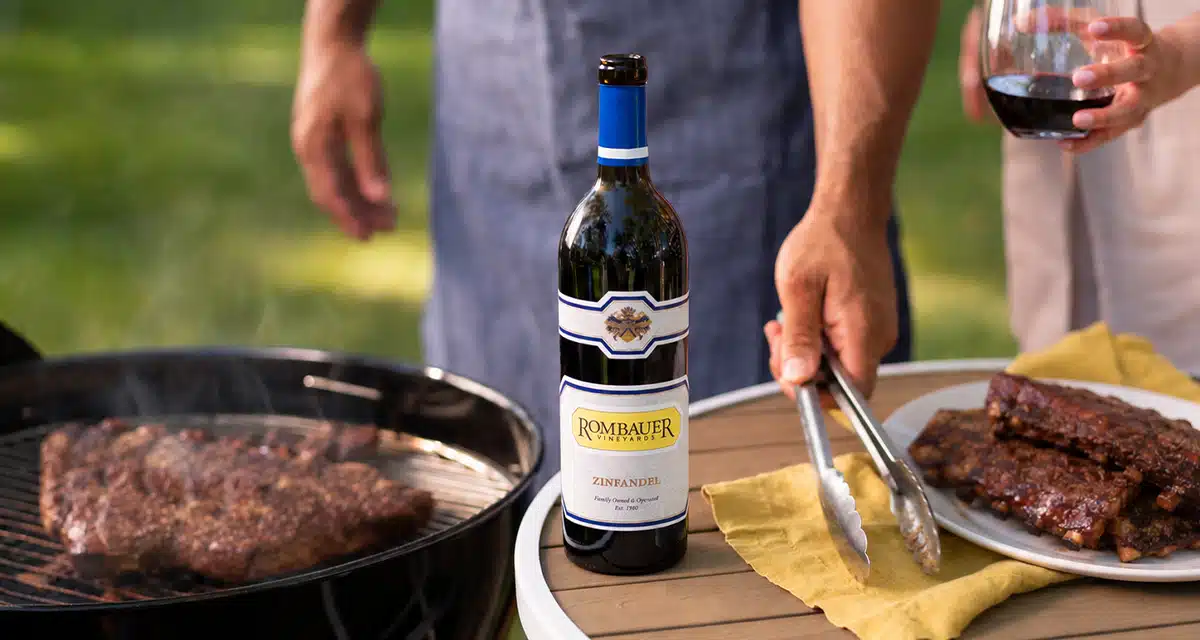
BBQ wines should be as bold and unfussy as the food. Keep reds at a slight chill; thirty minutes in a cooler brings them to an ideal temperature for outdoor eating. From brisket to pulled pork to Carolina chicken, we have a red for every rack and every regional style.