Compound Butter Basics - Rombauer Vineyards
alert-iconWeather-related delays may affect shipping times. We appreciate your patience. View our shipping policy for details.

Uncork 1 cent shipping with 6 bottles

Compound Butter Basics

What’s better than butter? Compound butter, blended with flavorful additions and chilled until firm, ready for slicing or spreading.

Compound Butter Basics

Find our winning butter recipes at the end of this blog post – but feel free to experiment with add-ins of your own. The goal is balance, good ingredients, and tasting as you go.

In This Article

Simple No Knead Bread Recipe

Ingredients
• 1.5 cups warm water
• 2.3 teaspoons yeast (active dry, instant, or quick rise)
• 1.5 teaspoons fine-grain salt
• 3.3 cups all-purpose or bread flour, plus more for dusting

*Dutch Oven Needed

Steps:
1
Mix wet ingredients: In a large bowl, whisk together 1.5 cups warm water (about 100°F), 2.3 teaspoons yeast (active dry, instant, or quick rise), and 1.5 teaspoons fine-grain salt until the yeast and salt are fully or almost dissolved.

2
Form the dough: Add 3.3 cups all-purpose or bread flour, plus more for dusting all at once and stir until a sticky dough forms. Don’t worry about over-mixing — just make sure everything is uniformly wet. It will be messy and sticky. If it seems too wet, add 1–2 tablespoons more flour at a time.

3
Rise the dough: Cover the bowl with a kitchen towel and leave it in a warm place for 2–3 hours until doubled in volume. Tip: preheat your oven briefly, turn it off, then place the bowl inside to trap warmth.

4
Preheat oven and Dutch oven: About 30–20 minutes before baking, preheat your oven to 450°F with the lidded Dutch oven inside. Once it reaches 450°F, keep preheating for another 20 minutes so the Dutch oven gets very hot.

5
Shape the loaf: Scrape the dough onto a flour-dusted piece of parchment paper. Using a silicone spatula, fold the edges up to form a rough loaf shape, then flip it over using the parchment so the floured side is on top.

6
Score the loaf (optional): Use a very sharp knife or razor blade to cut a few slits about ½ inch deep across the top of the loaf.

7
Bake covered: Carefully remove the hot Dutch oven, take off the lid, and lower the loaf in using the parchment paper. Replace the lid and bake at 450°F for 35 minutes.

8
Bake uncovered: Remove the lid and bake for another 5–7 minutes until golden brown on top.

9
Cool before slicing: Remove the loaf using the parchment paper and place it on a wire rack or cutting board. Let it cool for at least 30 minutes before slicing.

Start with good butter

Choose a high-quality unsalted butter and let it soften naturally at room temperature until malleable but not melting. Starting unsalted gives you full control of flavor.

Prep your add-ins

Finely chop herbs and aromatics so the butter spreads smoothly. 

For sautéed ingredients like mushrooms or garlic, cook them first to deepen flavor, then let them cool completely. Warm add-ins can melt the butter and affect the final texture.

Be Mindful of Moisture

Butter doesn’t absorb liquid well, so too much moisture can leave your compound butter soft or watery.

A few simple guidelines help keep things on track:

  • Use citrus zest instead of juice for bright flavor without added liquid.
  • Avoid adding raw liquids directly. If you want the flavor of wine, vinegar, or honey, reduce it gently on the stove first to concentrate the flavor and remove excess water. Let it cool before mixing.
  • If you’re using ingredients with moisture — such as olives, pickled vegetables, or roasted peppers — drain them well and pat them dry before mixing in gradually.

A light hand here makes a big difference.

Mix gently and taste as you go

Fold your prepared ingredients into the softened butter just until combined. There’s no need to whip or overmix. Taste, adjust, and stop when the flavors feel balanced.

Shape, chill, and store

Once mixed, shape the butter into a log using parchment or plastic wrap, or spoon it into a small serving dish. Chill until firm, about 1–2 hours.

Compound butter can be made ahead and stored in the refrigerator for up to 1 week, or frozen for up to 3 months. Wrap it tightly to protect flavor and texture. When you’re ready to serve, bring it out of the refrigerator about 20–30 minutes ahead so it softens slightly and spreads easily. If frozen, thaw overnight in the refrigerator.

Beyond bread

While there’s nothing better than warm bread and butter, compound butter works beautifully in everyday cooking. A small pat goes a long way:

  • Grilled or roasted chicken, steak, or seafood, letting it melt over the top just before serving
  • Steamed or roasted vegetables, like green beans, carrots, asparagus, or potatoes
  • Cooked grains or pasta, folded in at the end for richness
  • Corn on the cob, where flavored butter does all the work

A note on pairing

When pairing compound butter with wine, think about flavors that echo or complement each other. Honeyed or creamy butters work beautifully with our Chardonnays; savory and earthy flavors match our reds; and citrus or fresh herbs shine alongside our bright Sauvignon Blanc. A little heat can be especially nice with something bold and fruit-forward. There’s no right or wrong — experiment, spread, sip, and enjoy!

Our Favorite Compound Butters

Chardonnay + Honey-Thyme Butter

Chardonnay + Honey-Thyme Butter

Ingredients


  • 8 tbsp (1 stick) unsalted butter, softened
  • 2 tbsp honey
  • 1 tbsp fresh thyme leaves, minced
  • ¼ tsp flaky sea salt
  • Pinch of black pepper


Instructions


  • In a bowl, combine softened butter, honey, thyme, salt, and pepper.
  • Mix with a fork or spatula until fully incorporated, ensuring honey is evenly distributed.
  • Transfer to parchment paper, roll into a log, twist ends, and refrigerate until firm.
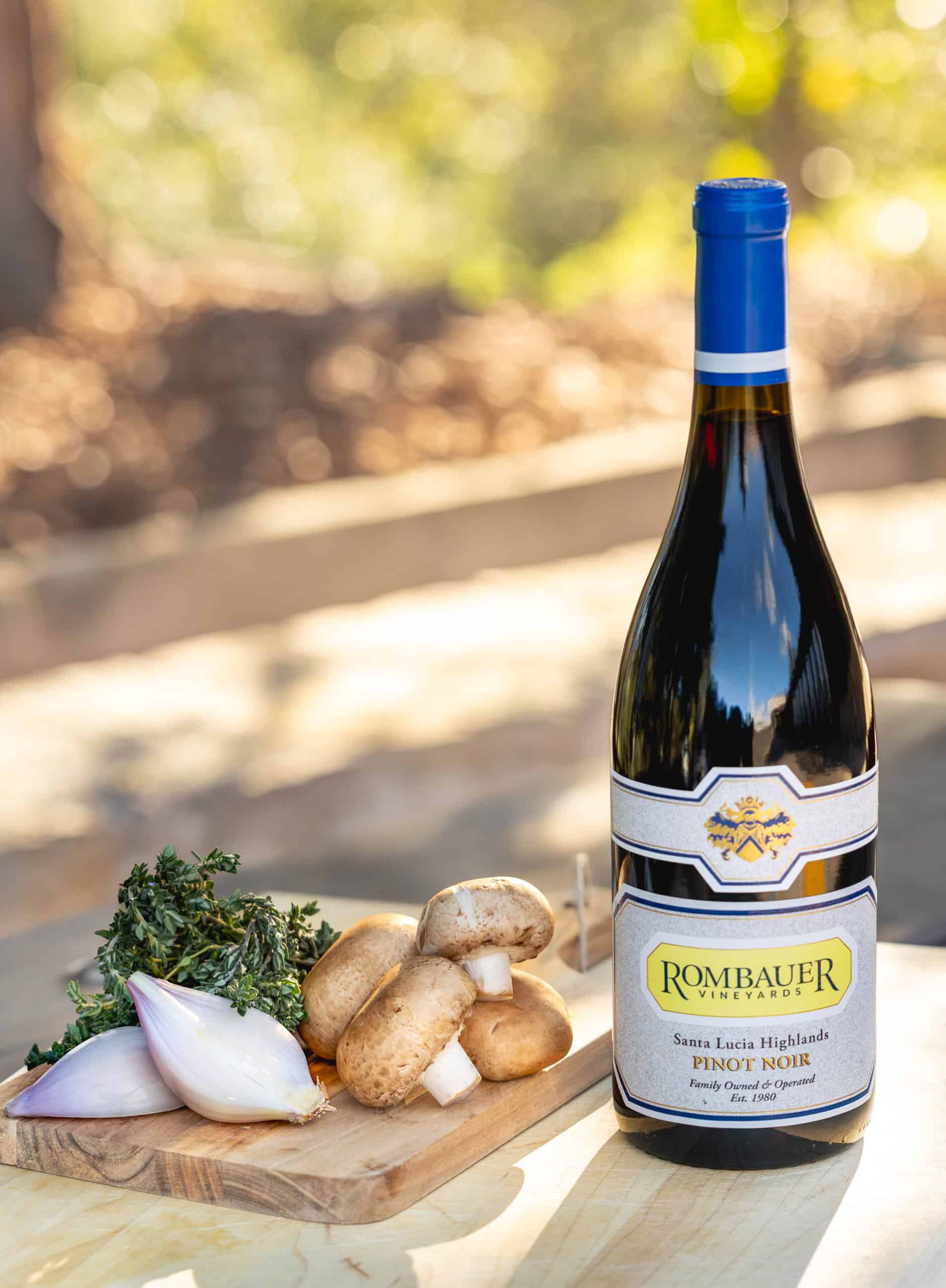
Pinot + Mushroom-Thyme Butter

Pinot + Mushroom-Thyme Butter

Ingredients


  • 8 tbsp (1 stick) unsalted butter, divided
  • 4 oz cremini or mixed mushrooms, finely minced
  • 1 small shallot, minced
  • 1 tbsp fresh thyme leaves
  • ½ tsp salt
  • ¼ tsp black pepper


Instructions


  • Melt 2 tbsp butter in a skillet over medium-high heat. Add mushrooms and spread in a single layer. Let sit without stirring for 2 minutes to develop color, then stir and cook until deeply browned and dry (6-8 minutes total). Add shallot and thyme in the final minute.
  • Season with salt and pepper. Transfer to a plate and cool completely.
  • Combine remaining 6 tbsp softened butter with cooled mushroom mixture. Mix thoroughly.
  • Transfer to parchment paper, roll into a log, twist ends, and refrigerate until firm.
Sauvignon Blanc + Goat Cheese-Lemon Butter

Sauvignon Blanc + Goat Cheese-Lemon Butter

Ingredients


  • 6 tbsp unsalted butter, softened
  • 2 oz fresh goat cheese, softened
  • 1 tbsp lemon zest (about 1 lemon)
  • 1 tsp fresh lemon juice
  • 1 tbsp fresh chives, minced
  • ¼ tsp salt
  • Pinch of white pepper


Instructions


  • In a bowl, combine butter and goat cheese. Mash together until smooth and fully blended.
  • Add lemon zest, lemon juice, chives, salt, and pepper. Mix until incorporated.
  • Taste and adjust lemon or salt as needed.
  • Transfer to parchment paper, roll into a log, twist ends, and refrigerate until firm.
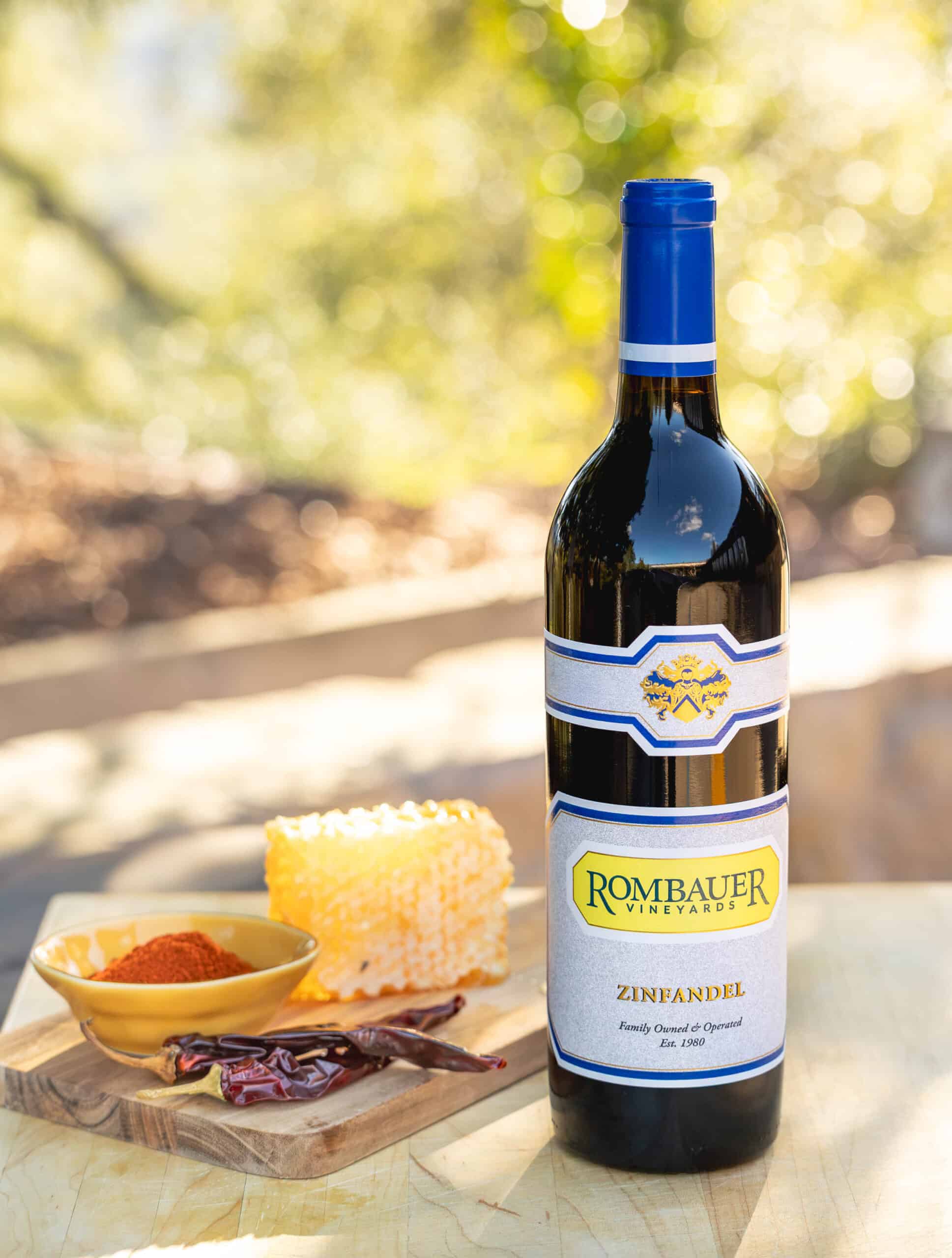
Zinfandel + Chipotle-Honey Butter

Zinfandel + Chipotle-Honey Butter


Ingredients


  • 12 tbsp (1½ stick) unsalted butter, softened
  • 1-2 chipotle peppers in adobo, minced (plus 1 tsp adobo sauce)
  • 1½ tbsp honey
  • ½ tsp salt
  • ¼ tsp smoked paprika (optional, for extra smokiness)


Instructions


  1. Mince chipotle peppers finely—you want no large chunks. Start with one pepper for mild heat, two for more kick.
  2. Combine softened butter, minced chipotles, adobo sauce, honey, salt, and smoked paprika (if using). Mix thoroughly.
  3. Taste and adjust heat or sweetness to your preference.
  4. Transfer to parchment paper, roll into a log, twist ends, and refrigerate until firm.